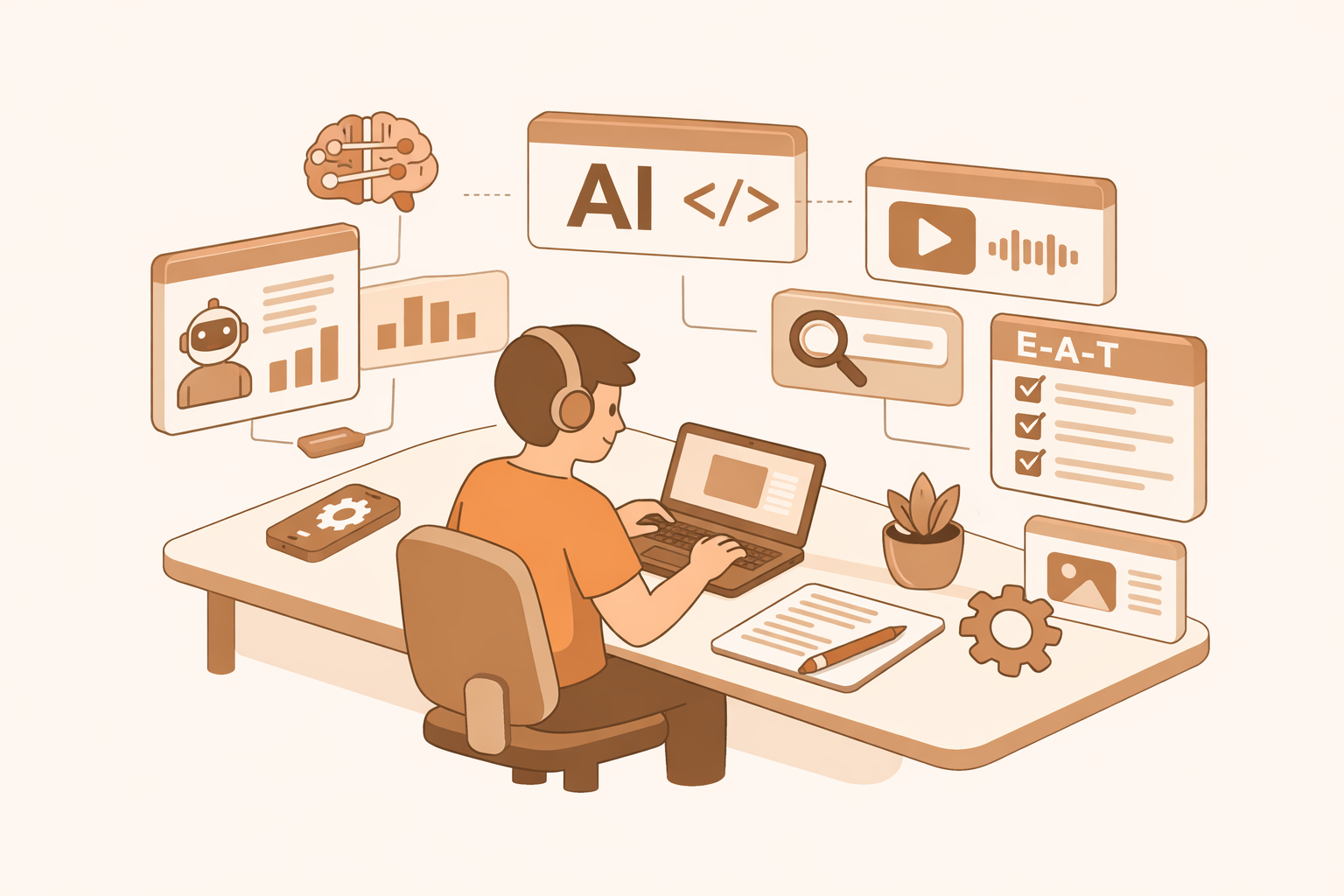
With over a decade of experience in SEO, I’ve seen search evolve dramatically—from the rise of mobile-first indexing to the dominance of AI in content creation. As we step into 2026, businesses and marketers need to be proactive in adapting to the trends that will define the future of search. In this post, I’ll break down the most impactful SEO trends, share real-world examples, and provide actionable advice to stay ahead in a competitive landscape.
AI-Driven Content Will Become Standard, Not Optional
Artificial intelligence is no longer a novelty—it’s a tool reshaping how content is created and optimized. In 2026, I predict AI-generated content will be used by the majority of brands, especially for research-heavy and repetitive topics. However, the key distinction will be quality. Google and other search engines increasingly value content that is helpful, trustworthy, and engaging.
For example, in a recent project with a B2B client in the SaaS industry, we used AI to draft topic clusters and meta descriptions. Then, human editors refined the content to maintain voice, accuracy, and readability. The result? A 40% increase in organic traffic within three months. Therefore, businesses should focus on hybrid content strategies—using AI to save time, but ensuring human oversight for authenticity and context.
E-E-A-T and Credibility Will Be More Important Than Ever
Expertise, Experience, Authoritativeness, and Trustworthiness (E-E-A-T) have been critical for years, but in 2026, the emphasis on credibility will intensify. Search engines will prioritize content that demonstrates proven expertise. Case studies, testimonials, and transparent author credentials will become key ranking factors.
In my own experience, adding detailed author bios and linking to verifiable sources boosted a client’s ranking for competitive health-related keywords. Moreover, Google’s algorithms are increasingly able to detect expertise, meaning brands that invest in demonstrating knowledge will outperform competitors relying solely on keywords.
Voice and Conversational Search Will Grow
Voice search adoption continues to climb, especially with smart speakers and AI assistants. By 2026, a significant portion of searches will be conversational, meaning queries will be longer, more specific, and natural in tone.
Businesses must optimize for question-based keywords and conversational phrases. For instance, instead of targeting “best running shoes,” target “what are the best running shoes for flat feet?” In one project for an e-commerce client, adding FAQ-style content optimized for voice queries increased voice search traffic by 60% within six months. Therefore, anticipating how people speak—not just how they type—is essential.
Core Web Vitals and Page Experience Will Remain Non-Negotiable
User experience metrics like page speed, mobile responsiveness, and interactive stability are no longer optional. Google’s Core Web Vitals will continue to influence rankings, particularly for mobile-first websites.
For example, a retail client I worked with had a mobile site that loaded in 4.5 seconds. After optimization, including image compression and lazy loading, the load time dropped to under 2 seconds, which improved bounce rates by 25% and rankings for key product pages. Therefore, investing in site performance now will pay dividends in both SEO and user engagement.
Visual and Video SEO Will Expand
Video content has been on the rise for years, but in 2026, it will become an essential part of organic search strategies. Platforms like YouTube, TikTok, and even Google Video Search will reward well-optimized visual content.
In a case study with a lifestyle brand, we created short tutorial videos and optimized them with transcriptions, structured data, and descriptive thumbnails. This increased overall organic traffic by 30% and drove higher engagement on social channels as well. Moreover, integrating visual SEO with written content helps search engines understand context better, improving discoverability across multiple formats.
Hyper-Personalization and Intent Optimization
Generic content will no longer cut it. Search engines are getting better at understanding user intent, meaning personalization and relevance will drive performance. Businesses that align content with specific buyer personas and search intent will outperform competitors using broad strategies.
For example, in one SaaS project, we segmented content for small business owners versus enterprise clients. By tailoring messaging, calls-to-action, and examples, engagement metrics improved significantly. Also, search engines rewarded the site with higher rankings because content closely matched user expectations.
The Rise of Semantic Search
Keywords alone are no longer enough. Semantic search focuses on context, relationships, and meaning rather than individual words. Content strategies must now incorporate related topics, synonyms, and questions that users naturally ask.
A real-world example: For a health website, we moved from targeting “weight loss tips” to creating a topic cluster including nutrition, exercise, mental health, and supplements. This approach increased keyword coverage by 50% and helped capture featured snippets. Therefore, thinking in terms of topics and intent—not just keywords—will be crucial in 2026.
Local SEO and Google Business Profiles Will Continue to Dominate
For businesses targeting local customers, Google Business Profiles (formerly Google My Business) will remain a powerful driver of traffic and conversions. Optimizing for local queries, reviews, and maps visibility will be essential.
In one recent project for a chain of restaurants, optimizing profiles, responding to reviews, and updating posts increased foot traffic by 20% over three months. Moreover, integrating structured data for location and services improved rankings in “near me” searches, demonstrating the ongoing value of hyper-local SEO.
Balancing Automation and Human Insight
AI tools for keyword research, content generation, and site audits will continue to grow in importance. However, businesses that rely solely on automation risk producing generic content or misinterpreting data. The key is balancing automation with human insight, using AI for efficiency and humans for strategy, creativity, and ethical oversight.

Actionable Advice for 2026
To stay ahead in SEO in 2026:
- Audit your content and update outdated information regularly.
- Invest in page speed and mobile optimization.
- Incorporate AI thoughtfully, with human review for quality.
- Focus on E-E-A-T signals and author credibility.
- Optimize for voice and conversational queries.
- Embrace video and visual content SEO.
- Personalize content based on audience segments.
- Build structured topic clusters instead of chasing isolated keywords.
- Maximize local visibility through profiles, reviews, and structured data.
SEO in 2026 will reward businesses that combine technical excellence, strategic foresight, and human-centered content. By staying proactive, experimenting with emerging trends, and focusing on providing genuine value, brands can achieve sustainable growth and visibility in an ever-evolving search landscape.

Leave a Reply